


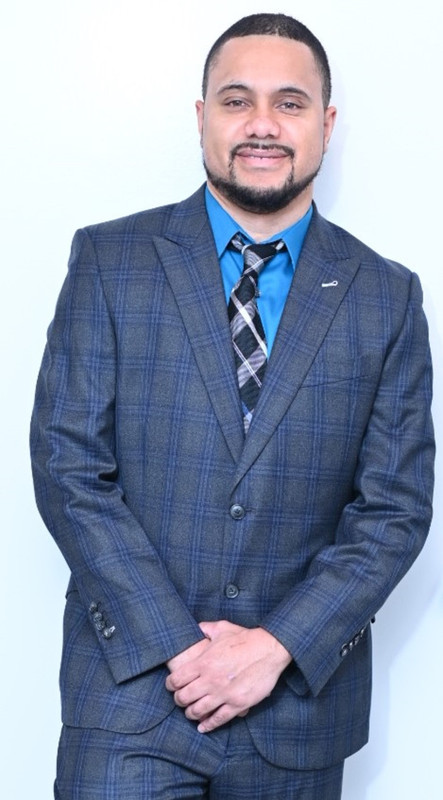
Building a Foundation in Civic Architecture
Karl F. Guider’s professional trajectory tells a story that resonates deeply within the architectural community, particularly for those who understand the delicate balance between public service and private ambition. His career path represents a distinctive model in which dedication to municipal infrastructure and community-focused design ultimately informed and strengthened his entrepreneurial vision. Beginning in 2007, fresh from completing his Master of Architecture degree at the University of Illinois Urbana-Champaign, Guider entered the architectural profession during a period of significant transformation in American cities. The recession had just begun reshaping urban landscapes, and architects were being called upon to reimagine how public spaces could serve evolving community needs while operating under tightened budgets.
Guider’s early years were spent working across multiple architectural firms, where he developed foundational skills and began to understand the intricate relationship between design vision and practical execution. These formative experiences would prove invaluable when he transitioned into public sector work in June 2016, joining the City of Chicago as a Coordinating Architect within the Department of Fleet and Facility Management. This role placed him at the intersection of urban planning, municipal governance, and architectural innovation. As a Coordinating Architect, Guider assumed responsibility for managing the planning, design, and construction of city-owned buildings and facilities. The position demanded not only technical expertise but also a sophisticated understanding of how architecture serves the broader goals of civic life.
The scope of work in municipal architecture differs significantly from private practice in several crucial ways. Public sector architects must navigate complex regulatory environments, engage with diverse stakeholder groups, and balance aesthetic considerations with stringent budgetary constraints. Every design decision carries implications for taxpayer dollars, accessibility standards, and long-term operational efficiency. Guider’s tenure in this role required him to ensure that projects met functionality requirements while maintaining compliance with municipal standards that govern everything from energy efficiency to Americans with Disabilities Act provisions. The experience provided him with an education that no private firm could replicate, exposing him to the mechanics of how cities physically sustain themselves and evolve over time.
During this period, from 2016 to 2018, Guider managed projects that directly affected the daily operations of Chicago’s municipal infrastructure. City-owned facilities encompass an enormous range of building types, including police stations, fire houses, public works facilities, administrative offices, and community centers. Each building type presents unique design challenges and serves populations with distinct needs. A police station requires secure areas, public-facing spaces, and specialized rooms for evidence processing and detention. A community center must be welcoming, flexible, and designed to accommodate multiple simultaneous activities. The diversity of these projects sharpened Guider’s ability to approach each design challenge with fresh perspective while maintaining consistent standards of quality and functionality.
Transforming Public Library Infrastructure
In September 2018, Guider accepted a position that would define a significant chapter of his career, taking on the role of Assistant Commissioner for Facility Planning and Building Operations at the Chicago Public Library. This appointment represented both a promotion and an expansion of his responsibilities within the civic architecture realm. The Chicago Public Library system ranks among the nation’s largest, comprising over 80 locations distributed throughout the city’s diverse neighborhoods. These facilities range from small branch libraries serving local communities to major regional centers and the iconic Harold Washington Library Center downtown. The infrastructure demands of such an extensive system are substantial, requiring coordinated planning, regular maintenance, strategic capital improvements, and forward-thinking adaptation to changing technologies and community needs.
As Assistant Commissioner, Guider led facility operations across this vast network, overseeing teams responsible for the day-to-day maintenance that keeps library buildings safe, comfortable, and functional. Simultaneously, he directed capital improvement initiatives designed to modernize aging infrastructure and integrate contemporary amenities. Libraries have undergone profound transformation in recent decades, evolving from repositories of books into dynamic community hubs that offer digital resources, maker spaces, meeting rooms, job search assistance, and cultural programming. This evolution demands architectural spaces that can accommodate traditional quiet reading areas while also supporting collaborative activities, technology instruction, and public events.
Guider’s work involved long-term space planning that anticipated demographic shifts, technological advances, and changing patterns of library usage. He had to consider questions that extended far beyond conventional architectural concerns. How could historic library buildings be retrofitted with modern HVAC systems without compromising their architectural integrity? What design modifications would make libraries more welcoming to populations that traditionally underutilized these resources? How could security be enhanced while maintaining the open, accessible character that defines public library philosophy? These challenges required Guider to synthesize his technical architectural knowledge with insights into urban sociology, public policy, and community development.
Over his four-year tenure in this role, lasting until October 2022, Guider helped position the Chicago Public Library system to better serve twenty-first-century needs. His contributions aligned with broader goals of public service and community access, recognizing that library facilities function as essential civic infrastructure, particularly in underserved neighborhoods. For many Chicago residents, public libraries provide not just books but also free internet access, air conditioning during summer heat waves, warm shelter in winter, and safe spaces for children and teenagers after school. The architectural decisions affecting these buildings carry profound implications for social equity and community wellbeing.
The maintenance and modernization of library facilities also required Guider to develop sophisticated project management capabilities. Capital improvement projects in occupied public buildings present logistical complexities that purely new construction never encounters. Renovation work must often proceed while libraries remain operational, requiring phased construction, temporary relocations of services, and constant communication with staff and patrons. Budget constraints demand creative problem-solving and careful prioritization of improvements. Guider’s success in this environment demonstrated his ability to deliver results within the particular constraints that characterize public sector work.
Entrepreneurial Vision and Private Practice
While Guider’s public sector accomplishments tell an impressive story on their own, they represent only one dimension of his professional identity. In December 2015, even before joining the City of Chicago in his coordinating architect role, Guider had already established Guider Group, LLC, his own architectural firm. This decision to launch a private practice while pursuing public sector opportunities reveals an entrepreneurial spirit and confidence in his ability to manage multiple professional commitments. The timing of this venture, occurring after several years of experience in various architectural firms but before his municipal appointments, suggests strategic thinking about career development and the desire to maintain creative autonomy alongside institutional roles.
Guider Group, LLC operates within Chicago’s competitive architectural landscape, a market characterized by established firms with decades of history and significant resources. For a new firm to gain traction requires not only design talent but also business acumen, networking capabilities, and the ability to deliver projects that satisfy clients while expressing a distinctive design philosophy. As Owner, Principal, and Architect, Guider assumed responsibility for every dimension of the firm’s operations, from client development and project design to financial management and staff coordination. The firm’s focus spans residential, commercial, healthcare, and hospitality projects, demonstrating versatility across building types and client sectors.
The portfolio that Guider Group has developed reflects contemporary design sensibilities adapted to Chicago’s architectural context. The city possesses one of the world’s great architectural legacies, home to pioneering works by Louis Sullivan, Frank Lloyd Wright, Ludwig Mies van der Rohe, and numerous other masters who defined modern architecture. Contemporary architects working in this environment inherit both inspiration and pressure, expected to honor this legacy while pushing toward new expressions appropriate to current times. Guider’s work is characterized by contemporary style, technical precision, and client-centered solutions, an approach that balances aesthetic innovation with practical responsiveness to client needs and site conditions.
Managing a private practice alongside demanding public sector positions required exceptional time management and clear boundaries between roles. From 2016 through 2022, Guider simultaneously served Chicago’s municipal government while growing his private firm. This dual commitment likely meant evening and weekend hours devoted to Guider Group projects, careful scheduling to avoid conflicts of interest, and the personal discipline to maintain high performance standards in both capacities. The arrangement also provided professional benefits, as his public sector experience informed his private practice with insights into regulatory requirements, construction processes, and the practical challenges that building owners face.
In October 2022, when Guider concluded his tenure with the Chicago Public Library, he transitioned into consulting work with HFA, Harrison French and Associates, while expanding his commitment to Guider Group. This part-time consulting position, which lasted until March 2024, allowed him to contribute to projects outside his own firm while maintaining the flexibility to focus primarily on building Guider Group’s presence in the market. Currently, Guider remains active in private practice, overseeing projects and operations at Guider Group, LLC, fully invested in the firm he established nearly a decade ago.
The decision to move from stable public sector employment to full-time private practice represents a significant professional transition. Public positions offer reliable salaries, benefits, and the satisfaction of serving community needs. Private practice provides creative freedom, unlimited income potential, and the opportunity to build something personally owned. Guider’s journey through both realms before committing fully to his own firm suggests a thoughtful approach to career development, gathering experience and resources before making the leap to complete entrepreneurial independence. His story offers a model for architects who aspire to establish their own practices, demonstrating that time spent in institutional settings need not detract from entrepreneurial goals but can instead provide essential preparation for the challenges of running an independent firm.

