


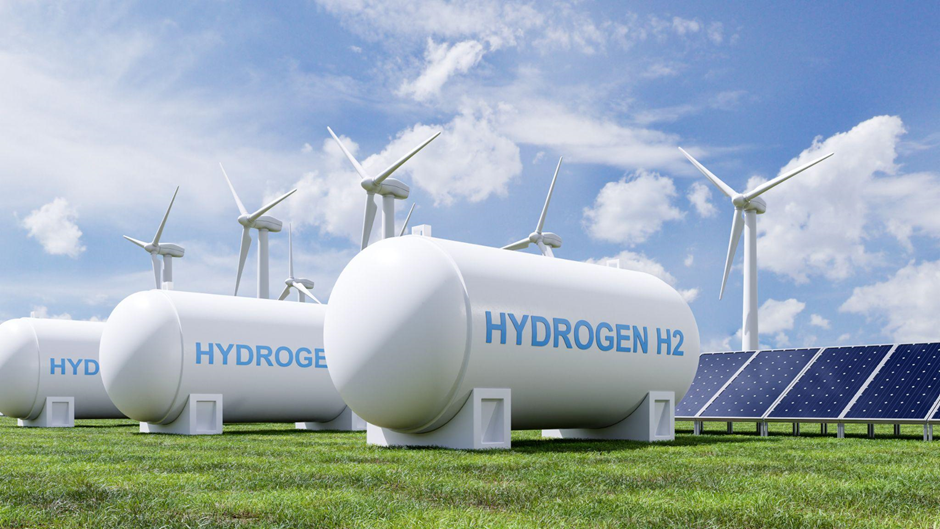
As the global push for decarbonisation intensifies, hydrogen is emerging as a cornerstone for the sustainable cities of tomorrow. Its ability to generate clean energy, support zero-emission transportation, and power critical infrastructure positions hydrogen as a transformative force in the smart city ecosystem. From fueling public transport to integrating with renewable energy systems, hydrogen is driving a quiet revolution, one molecule at a time.
The Role of Hydrogen in Future Cities
Hydrogen is not just another fuel; it’s a clean, versatile energy carrier that emits only water when used in fuel cells. In the context of smart cities, hydrogen is already proving its potential across sectors:
- Transport: Hydrogen-powered buses, trains, and fleet vehicles are reducing urban emissions.
- Energy Storage: Hydrogen acts as a buffer for renewable energy, storing surplus power and releasing it on demand.
- Buildings: Hydrogen can be used for heating and backup power in commercial and residential buildings.
As cities become more connected and digitised, integrating hydrogen infrastructure with smart grid technologies will also help optimise energy usage and distribution.
Hydrogen Fuel Cells: A Sustainable Power Source
Hydrogen fuel cells convert hydrogen into electricity without combustion, making them an ideal clean energy solution for various applications. Fuel cells are being increasingly adopted in:
- Public transport fleets
- Data centres require reliable backup power
- Remote and off-grid areas
However, scaling this technology isn’t without its hurdles. Infrastructure limitations, production costs, and safety concerns persist. If you’re interested in exploring the challenges of hydrogen fuel cells, this detailed guide breaks down the barriers and the way forward.
Green Hydrogen: The Engine of Net-Zero Cities
While hydrogen can be produced from various sources, green hydrogen, generated using renewable energy, is the most sustainable option. In smart cities, green hydrogen can support:
- Carbon-neutral transport systems
- Integration with solar and wind power grids
- Zero-emission industrial operations
To keep up with this evolving sector, professionals are enrolling in green hydrogen training programmes that provide deep insights into production technologies, policy frameworks, and implementation strategies.
Building the Hydrogen Workforce
Developing a hydrogen economy requires more than infrastructure; it demands skilled talent. Engineers, policy makers, and urban planners are increasingly turning to specialised hydrogen technology courses to upskill themselves for roles in planning, deploying, and managing hydrogen-powered systems in urban environments.
Challenges and the Road Ahead
Despite the promise, several challenges must be addressed before hydrogen can reach its full potential in smart city ecosystems:
- High production and storage costs
- Lack of fuelling infrastructure
- Policy and regulatory uncertainties
- Public awareness and safety concerns
These obstacles, however, are not insurmountable. Collaborative innovation, investments in R&D, and a global shift toward net-zero goals are accelerating the pace of hydrogen adoption.
Conclusion
Hydrogen is no longer a futuristic concept; it’s a present-day solution that is already shaping the cities of tomorrow. By powering clean mobility, supporting grid stability, and contributing to sustainable urban planning, hydrogen is carving a path toward smarter, greener infrastructure. With the right training, investment, and policy support, hydrogen could become the lifeblood of sustainable development in the decades to come.

