


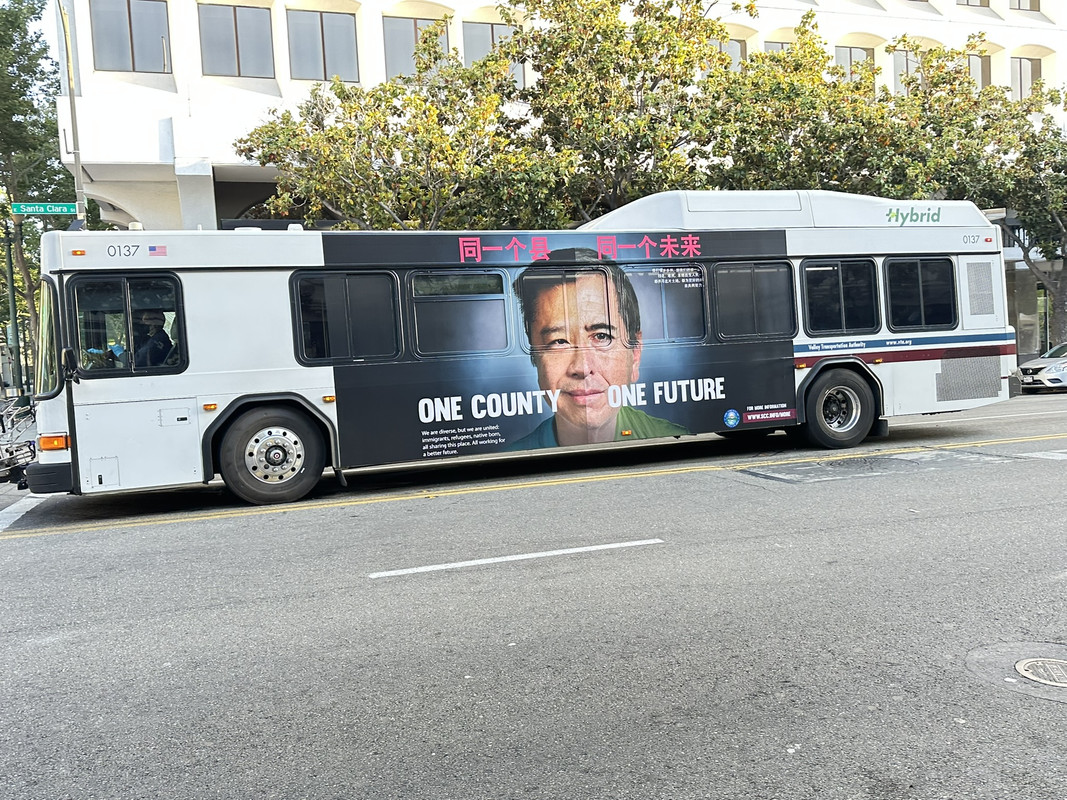
Outdoor advertising has been a fixture of American cities for more than a century, and despite the rise of digital platforms, it continues to occupy an important space in modern marketing. Blue Line Media has built its business on that idea. Founded in 2005 and headquartered in Los Angeles, the company has grown into a nationwide provider of out-of-home advertising, with a presence in more than 300 cities across the United States.
Its model is straightforward. The company helps businesses, nonprofits, and government agencies place their messages in the public eye. From billboards on highways to ads printed on pizza boxes, the company’s focus is to put content where people live, work, and travel. Over two decades, that approach has allowed Blue Line Media to become a trusted partner for organizations seeking visibility beyond screens and broadcast outlets.
Origins and Evolution
Blue Line Media began as a small startup aiming to bring structure and transparency to a fragmented industry. The out-of-home sector is often complex, with multiple local vendors, transit authorities, and venue owners offering different types of placements. By acting as a link between advertisers and these networks, the company created a model where clients could plan campaigns at scale while avoiding the burden of managing dozens of individual contracts.
Two decades later, the firm’s reach extends across the country. Its portfolio covers major markets such as Los Angeles and New York, as well as smaller cities and local neighborhoods. Blue Line Media has positioned itself as a one-stop shop, handling media planning, creative services, installation, and proof of performance. That end-to-end approach has become one of its defining features, particularly for government agencies and nonprofits that need campaigns to run smoothly and under strict budget controls.
A Broad Catalog of Formats
What sets Blue Line Media apart is the sheer breadth of formats it offers. Its catalog covers more than forty categories, ranging from conventional billboards to unexpected placements in everyday settings.
Billboards remain a central part of its work. The company offers both static and digital boards, including large bulletins on highways and urban LED screens. Digital billboards have become one of the fastest-growing parts of its business. They allow advertisers to activate campaigns in days, update creative remotely, and run flights of varying lengths. Pricing based on impressions gives them the flexibility of digital platforms combined with the impact of physical space.
Transit advertising is another key area. The company manages bus wraps, subway posters, train station displays, and bench ads that reach commuters daily. These formats put messages directly in the line of sight of people moving through crowded systems.
Retail and venue-based placements bring brands into airports, shopping malls, supermarkets, and convenience stores. These are environments where consumers are already spending money and paying attention to their surroundings.
Everyday touchpoints extend the reach even further. Blue Line Media offers ads on gas pumps, coffee cup sleeves, pizza boxes, laundromat posters, gym lockers, and salon signage. These may seem small, but they create moments of visibility during daily routines, often in places where people have fewer competing distractions.
For event-based campaigns, the company uses stadiums, festivals, movie theaters, and conventions. Mobile billboards, pedicabs, and even aerial banners allow advertisers to follow crowds or make a visual impact in concentrated bursts. The company also continues to run wild posting campaigns on city walls, giving clients a format that has long been part of grassroots marketing.
This wide mix of formats allows advertisers to combine reach and frequency. A campaign can stretch from a Times Square digital board to a laundromat poster in a small town, with both placements managed under one contract.
Serving Public and Private Clients
Blue Line Media’s client list reflects its versatility. Private businesses use its services to capture foot traffic or to build brand awareness in specific markets. Fortune 500 companies have relied on its nationwide coverage to launch large-scale campaigns, while smaller local businesses have used targeted formats such as bus ads or mall posters to reach customers in their own neighborhoods.
Nonprofits and government agencies make up a significant part of its portfolio as well. The company provides discounted rates for these groups, ensuring that important public service campaigns can be delivered even with limited funding. Over the years, Blue Line Media has run campaigns on wildfire prevention, food safety, census participation, veteran homelessness, and hate crime reporting.
The company is one of the few independent advertising firms to hold a General Services Administration contract. That allows federal agencies to purchase services under pre-negotiated terms, streamlining the procurement process. Clients such as the Department of Health and Human Services, the Department of Defense, and Amtrak have used Blue Line Media’s reach for targeted campaigns. These relationships demonstrate the company’s ability to meet federal standards for both cost and performance while maintaining flexibility across diverse markets.
Proof of Performance and Client Experience
A consistent theme across client feedback is the ease of execution. Out-of-home campaigns often involve multiple steps, from printing and installation to monitoring. Blue Line Media simplifies this by providing a single point of contact. Account managers oversee the process, manage creative design if needed, and deliver proof-of-performance reports.
For many organizations, this reduces the risk of fragmented campaigns and ensures that messages are delivered as planned. Clients cite visibility, cost-effectiveness, and the convenience of having one team manage the logistics. This has helped the company maintain long-term relationships across both the public and private sectors.
Trends Shaping Out-of-Home Advertising
Industry data consistently shows that out-of-home advertising delivers strong value. Its cost per thousand impressions is often lower than digital, television, or radio. Unlike online ads, it cannot be blocked, skipped, or scrolled past. A billboard, a bus poster, or a branded coffee sleeve is part of the physical environment, guaranteeing at least some level of attention.
The rise of digital out-of-home has introduced new possibilities. Advertisers can now change messages in real time, run shorter campaigns, or test different versions in multiple markets. This flexibility mirrors what they are used to in online channels, while still carrying the weight of physical presence. Blue Line Media has leaned into this shift, expanding its digital inventory while maintaining a diverse mix of traditional and place-based formats.
Another trend is the growing interest in reaching people during everyday activities. Ads on gas pumps, in gyms, or on pizza boxes may not have the scale of a highway billboard, but they place messages in moments where people are more present and less distracted by devices. This strategy reflects a broader shift toward context-driven marketing, where relevance and timing matter as much as reach.
Final thoughts
As media consumption continues to fragment, the importance of out-of-home advertising remains clear. Digital platforms dominate time and attention, but physical formats provide a counterbalance. They are visible, tangible, and tied to real communities. Blue Line Media has built its business around that balance.
With more than three hundred cities covered, a catalog that stretches from stadiums to salons, and the credibility of government contracts, the company occupies a unique space in the industry. It can manage large federal campaigns while also helping a local restaurant advertise on coffee sleeves in its neighborhood.
For advertisers, that range means flexibility. Campaigns can scale nationally or target a single city block. For Blue Line Media, it means continuing to adapt to new formats while holding to the core idea that out-of-home advertising works best when it is visible in the places where people live their daily lives.

